

Introduction to Bingo
Bingo is one of the most widely recognised social games in the world, enjoyed both in traditional halls and on digital platforms. With its simple rules, engaging pace and strong sense of community, it appeals to players across different age groups and cultures. From charity fundraisers to large-scale events, bingo has become more than just a pastime; it is a cultural phenomenon. Many players are drawn to the excitement of waiting for their numbers to be called, hoping for the satisfying moment of shouting “Bingo!”
The Origins of Bingo
The roots of bingo can be traced back to 16th-century Italy, where a game called Il Gioco del Lotto d’Italia was first recorded. This early version spread across Europe, reaching France where it became popular among the wealthy as Le Lotto. By the 18th century, Germany adapted it for educational purposes, using number games to help children learn mathematics. Eventually, in the early 20th century, the game crossed the Atlantic and evolved into the modern form of bingo we know today.
How Bingo Became Popular
The game gained massive popularity in the United States in the 1930s when it was introduced at church fundraisers and local fairs. The easy-to-understand rules meant anyone could join, and the thrill of winning prizes added to its charm. Its role in community gatherings helped it grow into a staple of social entertainment. In the UK, bingo halls emerged as vibrant venues where people not only played but also socialised, reinforcing its role as a communal experience.
Basic Rules of Bingo
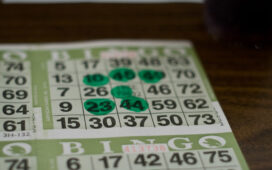
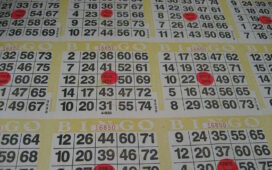
Although there are variations, the basic structure of bingo remains consistent. Players receive a card filled with numbers arranged in a grid. A caller announces numbers at random, and players mark the corresponding ones on their cards. The objective is to complete a specific pattern, which could be a line, multiple lines, or a full house. Once achieved, the player calls out “Bingo” to claim the win.
Common Variations of Bingo
-
75-ball bingo: Popular in North America, played on a 5×5 card with the word BINGO across the top.
-
90-ball bingo: Widely played in the UK, using a 9×3 grid with the possibility of winning through one line, two lines or a full house.
-
30-ball bingo: A fast-paced version often called “speed bingo”, suitable for players who prefer quick rounds.
The Appeal of Bingo
Bingo’s enduring popularity lies in its balance of chance and community. Unlike games that require complex strategies, bingo is accessible to everyone. The randomness ensures fairness, while the group setting fosters camaraderie. This makes it especially attractive for social gatherings, fundraisers, and entertainment venues.
Why People Love Playing Bingo
-
Simplicity: No advanced skill is needed to play.
-
Social interaction: Players connect with others, making it a friendly experience.
-
Excitement: The suspense of waiting for the final number keeps players engaged.
-
Variety: Multiple versions and themes keep the game fresh.
Strategies to Improve Your Bingo Experience
Although bingo is primarily a game of luck, players often adopt strategies to enhance their enjoyment and maximise their chances.
Practical Bingo Tips
-
Play with multiple cards: Managing more cards increases your chances of winning, though it requires focus.
-
Choose less crowded games: Smaller groups mean less competition for the prize.
-
Stay alert: Missing a called number can cost you a win, so concentration is key.
-
Budget wisely: Set a limit for spending to keep the game fun without financial stress.
Modern Bingo: From Halls to Online Platforms
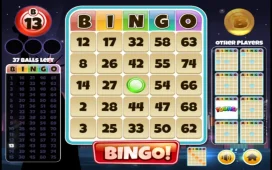
With the rise of technology, bingo has expanded beyond traditional halls. Online platforms now offer a wide variety of bingo games, allowing people to play anytime, anywhere. These platforms often include themed rooms, interactive chat features, and bonus rewards, combining the classic appeal of bingo with modern convenience.
Key Features of Online Bingo
-
Accessibility: Play from home or on mobile devices.
-
Themes and graphics: Creative designs enhance the gaming experience.
-
Interactive chat: Players can still enjoy the social aspect of bingo virtually.
-
Rewards and bonuses: Many platforms offer extra incentives to keep players engaged.
Bingo in Social and Cultural Contexts
Bingo has played an important role in fundraising, especially for charities, schools, and community organisations. Its reputation as an inclusive and entertaining activity makes it an ideal choice for bringing people together while raising money for good causes. It has also been featured in films, television shows, and popular culture, further cementing its place as a beloved pastime.
Responsible Bingo Play
While bingo is fun and exciting, it is important to approach it responsibly. Setting spending limits, taking breaks, and treating it as a form of entertainment rather than income are crucial steps to ensuring a positive experience. Many community halls and online platforms actively promote responsible play to support the wellbeing of players.
FAQs About Bingo
What makes bingo different from other number-based games?
Unlike games that involve heavy strategy, bingo relies almost entirely on chance, making it more inclusive and easier for beginners to enjoy.
How can beginners get started with bingo?
New players should start with a single card, observe how the game flows, and gradually add more cards once they feel comfortable.
Is online bingo fair?
Reputable online platforms use random number generators (RNGs) to ensure fairness, replicating the unpredictability of traditional number draws.
Why is bingo so popular among older players?
Bingo offers an accessible, social, and stimulating activity that provides entertainment and helps combat social isolation, making it especially appealing to older adults.
Can bingo be educational for children?
Yes, with simplified formats, bingo can help children learn numbers, words, and even concepts like shapes and colours in a fun way.
Are there tournaments in bingo?
Yes, many halls and online platforms host tournaments with structured rounds and prize pools, adding a competitive edge to the traditional game.