
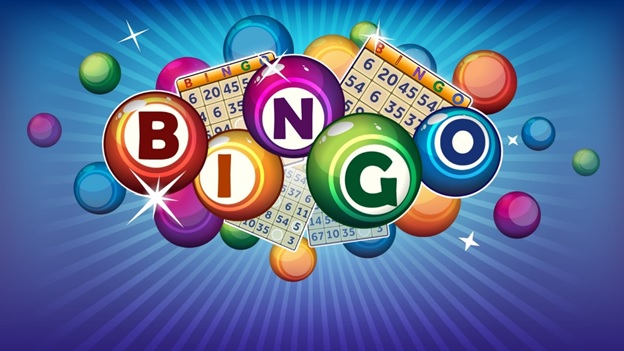
Bingo is one of the most popular games of chance, enjoyed by millions across the world in community halls, online platforms, and even at family gatherings. Its charm lies in its simplicity, yet beneath the surface, there is a fascinating history, diverse game variations, and practical strategies that make the experience more engaging. Whether you are new to the game or an experienced player, understanding bingo in depth can enhance the enjoyment and potentially improve your chances of success.
The Origins of Bingo
The game we now call bingo has its roots in 16th-century Italy. It began as a lottery-style game known as “Il Gioco del Lotto d’Italia,” where numbers were drawn weekly. The concept travelled through Europe, particularly to France in the 18th century, where it was adopted by the aristocracy as “Le Lotto.” By the 19th century, Germany introduced bingo-like activities as educational tools to teach children arithmetic, spelling, and history.
The modern version of bingo took shape in the United States during the 1920s. A game originally called “Beano” used beans to mark numbers on cards. When a player shouted “bingo” instead of “beano,” the name stuck, and from there, the game became a cultural staple.
How Bingo Works
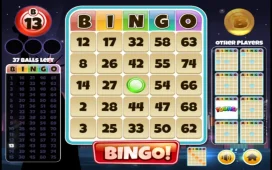
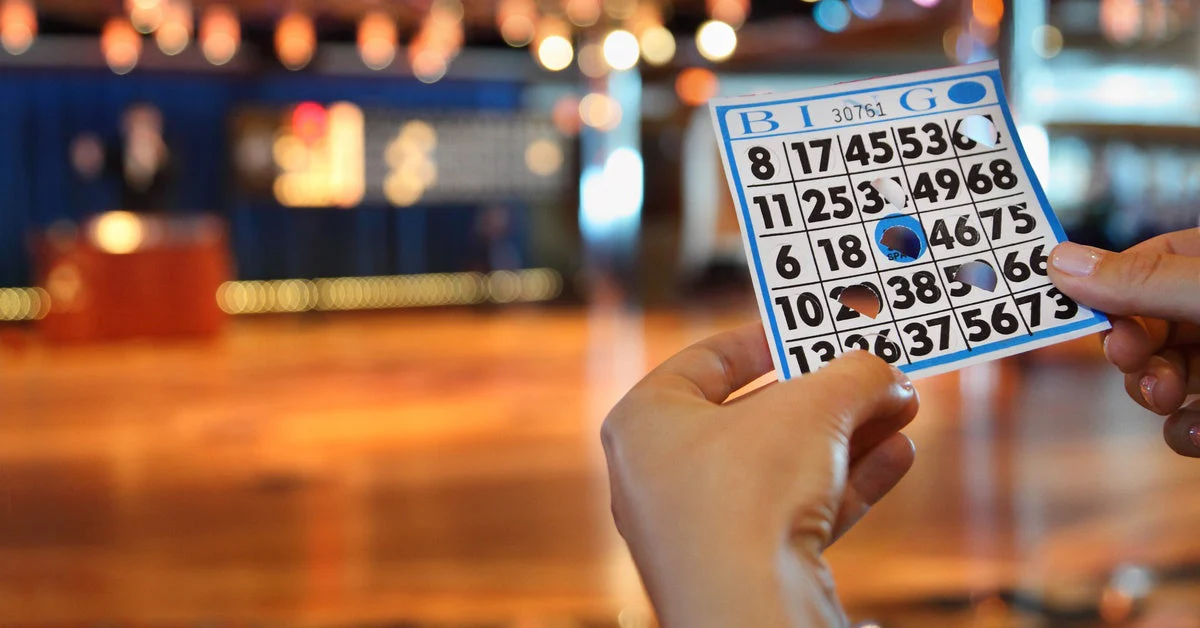
Bingo is straightforward but thrilling. Players receive cards or tickets printed with grids of numbers. A caller randomly selects numbers, and players mark them off if present on their card. The aim is to complete a specific pattern, often a straight line, four corners, or the entire card.
Typical Bingo Formats
-
75-Ball Bingo: Common in North America, played on a 5×5 grid with the central square free.
-
90-Ball Bingo: Popular in the UK and much of Europe, played on a 9×3 ticket with 15 numbers. Wins occur with one line, two lines, or a full house.
-
30-Ball Bingo: A fast-paced mini version with a 3×3 grid.
-
80-Ball Bingo: Played on a 4×4 grid with coloured columns, offering creative winning patterns.
Each variation has its own charm, offering different levels of speed, complexity, and excitement.
Bingo in the Community
Bingo is more than just a game; it is a social activity that brings people together. Traditionally, bingo halls were central gathering places, often associated with fundraising for charities, churches, and community organisations. The lively atmosphere, anticipation of the next number, and collective cheers or sighs of disappointment create a sense of belonging.
In modern times, online bingo has preserved this community spirit through live chat rooms and interactive features. Digital platforms allow players from across the globe to connect while enjoying their favourite pastime.
Strategies to Improve Your Chances
Bingo is a game of luck, but applying a few strategies can tilt the odds in your favour and enhance your overall experience.
Choosing the Right Cards
Opt for cards with a balanced spread of numbers across the grid. This reduces the chance of missing long stretches of numbers being called.
Play with Multiple Cards
Experienced players often use multiple cards at once, increasing their chances of matching the winning pattern. However, managing too many can be overwhelming, so strike a balance.
Timing Matters
If you’re playing in community halls or online rooms, joining less crowded games may boost your odds since there are fewer competitors.
Stay Focused
Distractions can cause missed numbers. Staying alert ensures that every possible match is spotted immediately.
Learn the Patterns
In some versions, unusual patterns such as letters, shapes, or diagonal crosses may be required. Familiarising yourself with these ensures you don’t miss a win.
The Rise of Online Bingo
The digital transformation of bingo has created an entirely new experience. Online bingo platforms offer:
-
24/7 availability so players can join games anytime.
-
Varied themes and designs that keep the game entertaining.
-
Bonus features and mini-games for added excitement.
-
Accessibility across devices, making it easy to play on phones, tablets, or computers.
For many, online bingo is not just a game but a way to relax, connect socially, and enjoy entertainment without leaving home.
Bingo and Mental Wellbeing
Beyond entertainment, studies suggest that bingo can have positive effects on mental health. The game encourages concentration, memory recall, and quick thinking. For older adults, playing bingo may help keep the mind sharp while also combating loneliness through social interaction.
Responsible Bingo Play
As with all games of chance, it is important to approach bingo responsibly. Setting a budget, knowing when to stop, and treating it as a form of leisure rather than a source of income are crucial for maintaining a healthy relationship with the game. The fun lies in the excitement of participation, not just in winning.
Bingo in Popular Culture
Bingo has featured in films, music, and even television game shows, cementing its role as a cultural icon. From local village halls to glamorous international tournaments, the game continues to evolve while retaining its classic appeal.
Frequently Asked Questions about Bingo
What is the difference between 75-ball and 90-ball bingo?
75-ball bingo is mostly played in North America using a 5×5 grid, while 90-ball bingo is popular in the UK and Europe with a 9×3 ticket. The winning conditions also differ, with 75-ball offering varied patterns and 90-ball focusing on lines and full houses.
Can you really improve your chances of winning at bingo?
Yes, to an extent. Playing multiple cards, choosing games with fewer players, and selecting well-distributed numbers can slightly improve odds, though luck remains the biggest factor.
Is online bingo fair?
Reputable online bingo platforms use Random Number Generators (RNGs) to ensure fair and unbiased results. Players should always choose trusted platforms for secure play.
How much does it cost to play bingo?
Costs vary widely. Traditional bingo halls may charge small amounts per card, while online platforms offer low-stake options, free trial games, and premium cards depending on the event.
Why do people enjoy bingo so much?
Bingo combines chance, excitement, and social connection. The thrill of waiting for your numbers to be called, combined with the shared energy of other players, makes it highly enjoyable.
Can children play bingo?
Children can play simplified versions of bingo at home or school as an educational tool, but gambling-related bingo is legally restricted to adults depending on local laws.